
 iscover


The shift is structural rather than cyclical. As repair costs, contract values, asset replacement costs, and liability exposures have all climbed across the past five years, the cost of a poorly structured placement has climbed with them. The economic case for working with specialist insurance brokers who concentrate their practice on transport, construction, and machinery has therefore strengthened materially.
What Specialisation Actually Means
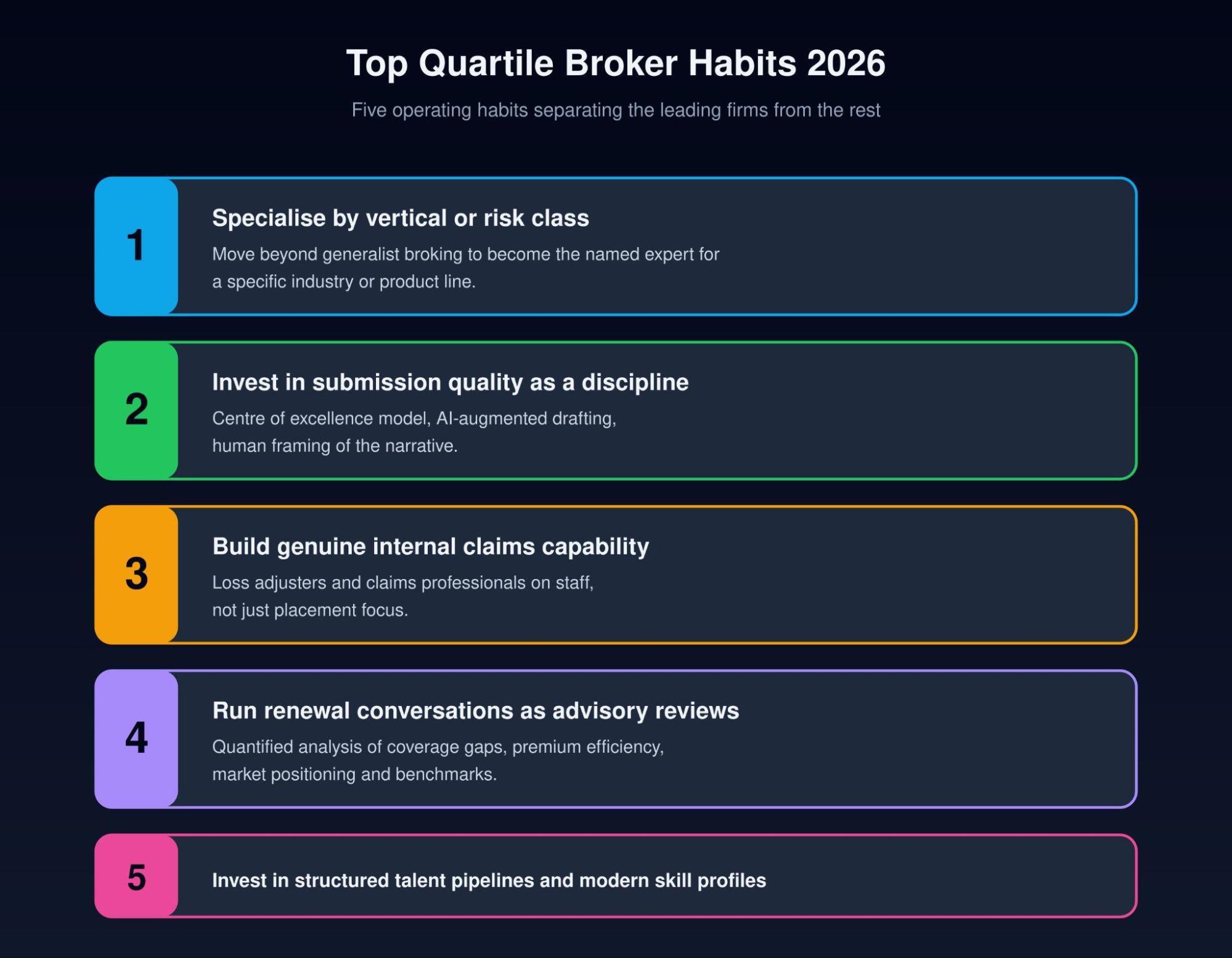
The phrase is overused, so it ts, cargo, public liability, marine cargo for plant in transit, and the interaction between heavy motor cover and chain of responsibility obligations. They have read recent decisions from the Australian Financial Complaints Authority that touch their sector. They know which underwriters have appetite for which weight categories at which loss ratios, and they know which wordings respond well in real incidents.
A specialist constructis worth being precise about what genuine specialisation looks like in these sectors. A specialist transport broker spends most of their week thinking about prime mover fleeion broker brings the same depth on contract works, public and products liability, professional indemnity for design and construct work, and the various warranty insurances mandated under state-level legislation. A specialist machinery broker carries the equivalent depth on equipment breakdown, plant business interruption, marine cargo for international shipments, and the long-tail product liability exposures faced by dealers and importers.
The Generalist Disadvantage
Generalist brokers placing into these sectors are competing against specialists with hundreds of placements behind them in the same industry segment. Even highly capable generalists struggle to match the underwriter relationships, wording library, and benchmark data that a specialist accumulates. The current market is not unsympathetic to generalists, but the work required to compete is significant, and the marginal returns are diminishing.
The Submission Standard Has Lifted
The submissions being presented to specialist underwriters in transport, construction, and machinery have improved noticeably over the past two cycles. The bar that defines a credible submission today would have been considered best-in-class three years ago. The National Insurance Brokers Association publishes professional development content that has helped raise this standard across the profession, and the leading firms have invested heavily in their submission processes.
For a transport fleet, a credible submission now includes telematics-derived driver behaviour data, route risk analysis, maintenance schedules with completion evidence, recent claims experience analysed by cause and frequency, and a forward-looking risk improvement plan. For a construction client, the equivalent picture covers contracting structure, subcontractor management practice, design review processes, quality assurance documentation, and project pipeline. For a machinery client, the picture covers operator qualifications, equipment register with current declared values, maintenance regimes, and any product liability claims history.
AI in Submission Preparation
The role of AI in submission work has evolved quickly. Specialist brokers report using AI tools for first-pass extraction of structured information from telematics exports, claims bordereaux, maintenance logs, and contract documentation. The time savings are meaningful, and the data quality is typically higher than fully manual extraction. The human role has shifted toward framing the narrative, judging which evidence to highlight, and managing the underwriter conversation. Submissions that read as fully machine-generated rarely achieve the same engagement as those that show clear evidence of human judgment.
Claims Advocacy Has Moved Centre Stage
Claims advocacy used to be the part of the broker's role that rarely came up in tender conversations. That has changed entirely in transport, construction, and machinery. Clients who have experienced major claims, whether a serious vehicle accident, a defect rectification matter, or a catastrophic plant breakdown, now bring those experiences into the next broker selection conversation. They ask pointed questions about the broker's claims capability, request reference checks with current clients who have made significant claims, and weight claims handling visibly in their decision making.
The brokers winning these accounts in 2026 have built genuine internal claims capability, typically including former loss adjusters or claims professionals on staff. They run claims advocacy as a discipline with its own protocols, its own quality measures, and its own engagement with the underwriters they work with. This is one of the clearest separators between top quartile specialist firms and the rest of the field.
Regulatory Awareness Is Non-Negotiable
The compliance environment for brokers working in these sectors is more complex than for generalist commercial broking. ASIC has continued to refine the general advice and personal advice boundary, and brokers advising on specialised products such as heavy motor extensions or contract works wordings need to maintain documentation that demonstrates how they have framed their advice. The Australian Financial Complaints Authority publishes decisions that establish practical interpretation of these obligations, and specialist firms generally track those decisions actively.
Beyond financial services regulation, brokers in these sectors need to understand the industry-specific frameworks their clients operate under. The National Heavy Vehicle Regulator framework, chain of responsibility, the various state-level builder licensing schemes, and the National Construction Code all influence the contractual liability picture that flows into insurance placement. A specialist broker who can engage with these frameworks credibly is worth far more to a client than a generalist who cannot.
Data Infrastructure Has Become a Competitive Asset
Top quartile brokers in these sectors have invested in data infrastructure that lets them benchmark client outcomes against the rest of their book. When a client asks whether their premium increase is fair, the broker can show comparable placements from the same industry segment and explain the position with reference to actual market data. Generalist brokers rarely have the dataset to support that conversation. Specialist brokers, having concentrated their work in a specific industry, almost always do.
The infrastructure does not need to be enterprise-grade. Many leading specialist firms have built effective benchmarking from a relatively small set of placements, structured well in a database and refreshed at each renewal. The discipline matters more than the size of the dataset.
The Underwriter Relationship
Specialist brokers cultivate deep relationships with the small group of underwriters who write meaningful capacity in their sectors. The conversations are direct, technical, and ongoing rather than transactional. A specialist heavy motor broker knows which underwriter at which insurer will quote which class of risk, and they have spent enough time in that relationship to know how to position a difficult risk credibly. The same dynamic plays out in construction and machinery.
These relationships are not built through entertainment or sales effort. They are built through consistently presenting clean submissions, managing claims professionally, and bringing the underwriter the kind of risk profile they want to see. The brokers who maintain that discipline get the call back when capacity tightens.
Where the Profession Is Heading
The specialisation of broking in transport, construction, and machinery is going to continue rather than reverse. Underwriter appetite is segmenting further, not less. Regulatory complexity is increasing. Asset values are higher. Claims experience is more nuanced. The brokers who treat their practice as a specialist advisory business rather than as a placement function will continue to capture share in these sectors. The brokers who remain generalist will continue to find their wins concentrated in simpler, smaller, less technical accounts. For practitioners weighing where to invest their next two years of professional development, the answer is increasingly clear.
 Want to see more stories from trusted news sources?
Make Broker Daily a preferred news source on Google.